
© 2026 Bonfy.AI. All rights reserved.
Enterprises are connecting AI clients like Claude, ChatGPT, Copilot Studio, and Perplexity to Microsoft 365, SharePoint, Google Drive, and other data repositories.
Native connectors make this easy. But they typically return what the user can access, not what the AI should be allowed to retrieve or use.
That creates a dangerous gap between access and control.
Sensitive data can flow into AI context windows, responses, and workflows without content-level inspection, policy enforcement, or visibility.
Native permissions answer one question:
Can this user access the data?
Enterprise AI creates a harder question:
Should this data be available to AI in this context?
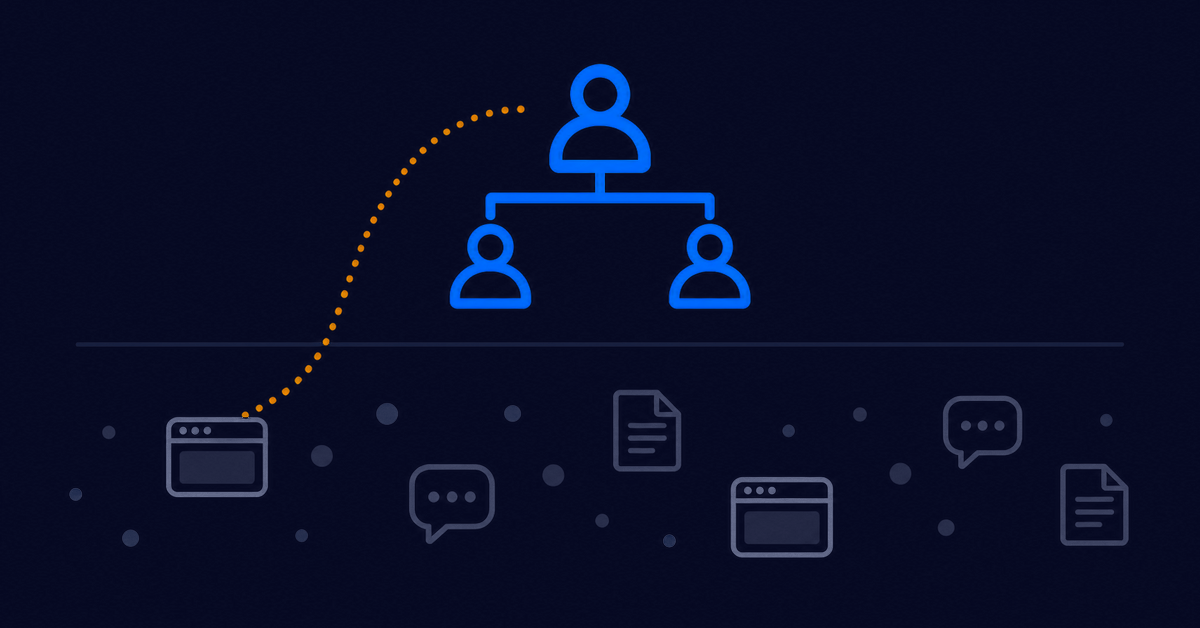
Bonfy Contextual Data Enforcement adds a transparent control layer between AI clients and enterprise repositories.
As AI retrieves data, Bonfy inspects the content in context and enforces policy before it reaches the AI client.
Bonfy preserves existing identity and access permissions. It never expands user access.
Instead, it adds the missing content-level control, so organizations can adopt AI faster while protecting sensitive, regulated, and customer-confidential data.
Looking specifically at Claude?
Users or administrators replace the native AI connector with Bonfy’s secure connector.
For example, instead of connecting an AI client directly to Microsoft 365 or SharePoint through the native connector, the organization routes that connection through Bonfy.
From the AI client’s perspective, the experience remains familiar. The same type of request is made, the same repository is accessed, and the same workflow continues.
But now Bonfy is in the data retrieval path.
Bonfy calls the same underlying APIs, such as Microsoft Graph API or Google Drive API, on behalf of the user.
Existing user authentication and access permissions remain intact. If the user does not have access to a file, Bonfy does not expose it.
Bonfy does not replace identity or access control. It adds content-level enforcement on top of it.
As content flows back from the repository, Bonfy inspects it before it reaches the AI client.
Bonfy analyzes:
This allows Bonfy to evaluate not only what the content contains, but whether that content should be available to AI in that specific context.
Based on policy, Bonfy can allow, block, redact, label, log, or escalate the content before returning a response to the AI client.
Permitted content flows through.
Restricted content is stopped or handled according to policy.
The AI receives a clean, policy-compliant response. Security teams gain visibility, auditability, and control.
AI clients can retrieve sensitive data as soon as they connect to enterprise repositories.
Bonfy’s Data Security Risk Assessment helps teams identify gaps in visibility, governance, and control before those gaps become AI exposure risks.
Auditability and Security Operations Support
Gain visibility into what AI systems requested, what was allowed, what was blocked, and why.
Bonfy creates an auditable record of AI data access activity and can support compliance reporting, customer assurance, investigations, and escalation to security operations workflows.
Enable employees to use high-value AI tools while reducing the risk of sensitive data flowing into AI systems without control.
Move beyond native permissions by enforcing content-aware policies before enterprise data reaches AI clients.
Prevent PII, financial records, legal documents, customer-confidential data, and regulated content from entering AI workflows when policy does not permit it.
Provide evidence of technical controls for AI data governance, not just policy documents or acceptable-use guidelines.
Stop sensitive data from silently entering AI context windows, responses, memory, or downstream workflows.
Add enforcement through a secure connector path, without deploying new gateways or redesigning the enterprise architecture.
Start with AI data access control for a specific client or repository, then expand into broader Bonfy platform capabilities across email, files, SaaS apps, collaboration tools, browser flows, and AI workflows.
Bonfy Contextual Data Enforcement helps organizations safely connect AI clients to enterprise data without relying only on native permissions.
See how Bonfy puts content-aware enforcement between AI and your most sensitive data.
© 2026 Bonfy.AI. All rights reserved.